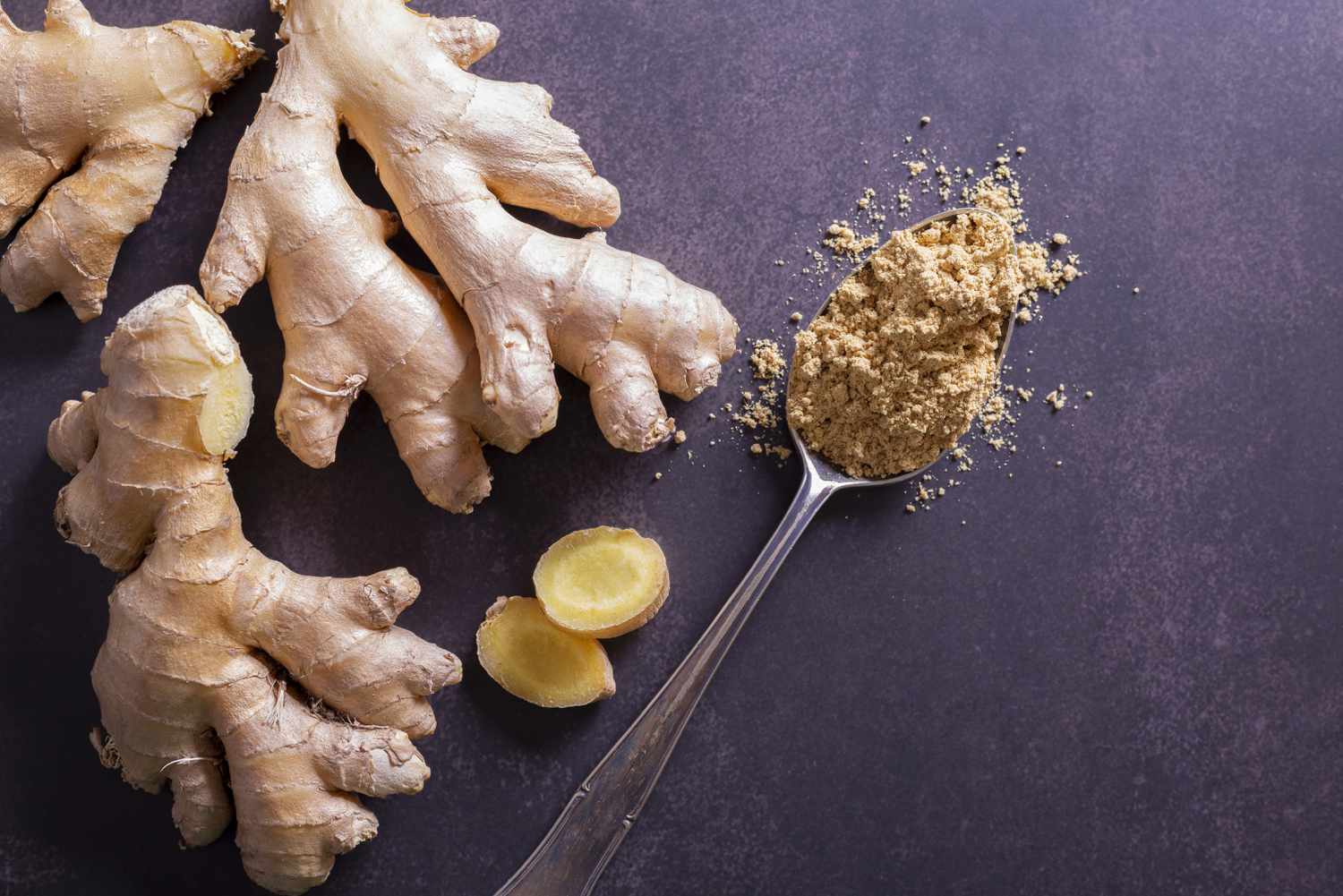
Keep Ginger Fresh: Best Ways to Store & Choose Quality Roots
Fresh ginger is a culinary superhero, a pungent, zesty root that transforms dishes with its unique spicy-sweet aroma and robust flavor. From humble stir-fries and comforting curries to soothing teas and vibrant desserts, ginger’s versatility is unmatched. Yet, many home cooks hesitate to incorporate fresh ginger into their daily repertoire, often due to uncertainty about how to select the best roots and, more importantly, how to keep them fresh. This guide will demystify the process, ensuring you always have quality ginger on hand, ready to elevate your cooking. We’ll also dive into the myriad of ways to use ginger, making it an indispensable part of your kitchen.
The Secret to Selecting Superior Ginger Roots
The journey to delicious ginger-infused meals begins at the market. Choosing a high-quality root is paramount to maximizing its flavor and shelf life. When confronted with a pile of knobby ginger roots, knowing what to look for can make all the difference.
First and foremost, *feel* the ginger. A superior root will be **firm and heavy for its size**. Avoid any pieces that feel soft, spongy, or lightweight, as these are signs of dehydration or spoilage. Next, examine the skin. Look for a **taut, relatively smooth, and slightly shiny skin**. It should not appear shriveled, dry, or wrinkled. Wrinkles indicate that the ginger has lost moisture and is past its prime, likely becoming fibrous and less flavorful. Inspect for any mold, dark spots, or bruises, which are clear indicators to pass on that particular piece.
You might also encounter both mature and young ginger. Mature ginger, which is what you typically find in most supermarkets, has a thicker, light brown skin and a more pronounced, spicier flavor. Young ginger, sometimes available at Asian markets or specialty stores, is often smaller, with a thinner, paler, sometimes slightly pink-tinged skin. Its flavor is milder and less fibrous, making it ideal for pickling or finely slicing. While young ginger's delicate skin often doesn't require peeling, mature ginger typically benefits from it for smoother texture in certain dishes.
A quick sniff test can also be revealing. Fresh ginger should have a distinct, pungent, and slightly citrusy aroma. If it smells sour, musty, or has no discernible scent, it's best to look for another root. By taking these few moments to select your ginger carefully, you ensure you're starting with the best possible ingredient, setting the stage for truly flavorful creations and extending its usefulness in your kitchen.
Masterful Storage Techniques: Keeping Your Ginger Fresh for Longer
Once you’ve chosen your perfect ginger root, the next crucial step is proper storage. The way you store ginger significantly impacts its longevity and flavor potency. While a whole ginger root might seem robust, improper storage can lead to rapid drying, sprouting, or spoilage. Fortunately, there are several effective methods to keep your ginger fresh, whether you use it daily or occasionally. For a deeper dive into all aspects of ginger, including preparation and its many uses, check out
Your Ultimate Guide to Ginger: Prep, Store, and 40+ Uses.
Refrigeration: Short-Term Freshness
For those who frequently cook with ginger—several times a week—the refrigerator is your best friend. The key here is to minimize exposure to air and moisture, which accelerate spoilage.
1. **Airtight Bag in the Crisper:** Place the unpeeled ginger root in an airtight plastic bag (a Ziploc-style bag works perfectly) and press out as much excess air as possible before sealing. Store it in the crisper drawer of your refrigerator. This method typically keeps ginger fresh for **2-3 weeks**. The crisper drawer's controlled humidity helps prevent drying, while the airtight bag seals in its aroma and prevents it from absorbing other fridge odors.
2. **Paper Towel Method:** Some cooks swear by wrapping the ginger in a paper towel before placing it in an airtight bag. The paper towel absorbs any excess moisture, further protecting the root. Change the paper towel if it becomes damp.
While refrigeration is convenient for regular use, if you find your ginger shriveling or sprouting before you can use it all, consider freezing.
Freezing: Long-Term Solution
Freezing is by far the most effective method for long-term storage, keeping ginger fresh for **up to 6 months or even longer** without significant loss of flavor or texture. This is ideal for those who use ginger less frequently, perhaps once or twice a week, or who like to buy ginger in bulk.
There are a few ways to freeze ginger:
1. **Whole, Unpeeled:** Simply wrap the entire, unpeeled ginger root tightly in plastic wrap, ensuring no air exposure. Place it in a freezer-safe bag to prevent freezer burn. When you need it, you can grate it directly from frozen using a microplane or fine grater, then re-wrap and return the remainder to the freezer. This method is incredibly convenient as it eliminates peeling until it's needed.
2. **Peeled and Sliced/Chopped:** If you prefer to have prepped ginger ready to go, peel the ginger first (using a spoon for this task can be surprisingly effective!) and then slice or chop it into desired portions. Store these pieces in a single layer on a parchment-lined baking sheet in the freezer until solid, then transfer them to an airtight freezer bag. This prevents them from clumping together.
3. **Grated Ginger Paste:** For ultimate convenience, peel and grate a large batch of ginger using a microplane or a food processor. You can then portion the grated ginger into tablespoon-sized dollops on a parchment-lined baking sheet and freeze. Once frozen, transfer the ginger "coins" to a freezer bag. These pre-portioned bits are perfect for dropping directly into stir-fries, soups, or teas.
No matter which storage method you choose, always ensure your ginger is clean and dry before storing to prevent mold and bacterial growth. Proper storage is the cornerstone of making ginger a regular, hassle-free ingredient in your kitchen.
Beyond the Basics: Preparing Ginger for Culinary Excellence
With your perfectly chosen and stored ginger in hand, the next step is preparation. The way you prepare ginger—whether you peel it, slice it, mince it, or grate it—can significantly impact the texture and flavor profile of your final dish. Understanding these techniques is key to unlocking its full potential and truly knowing how to use ginger effectively. For a comprehensive guide on various preparation methods, refer to
Peel & Chop Ginger Like a Pro: Essential Preparation Guide.
To Peel or Not to Peel?
This is a common question, and the answer isn't always a definitive yes.
* **When to Skip Peeling:** If you're using young ginger with thin, papery skin, or if the ginger will be very finely minced or grated into a larger dish where the skin won't be noticeable (like a curry paste or smoothie), peeling might not be necessary. Just ensure you wash the root thoroughly with a vegetable brush.
* **When to Peel:** For mature ginger, especially if you plan to slice it, julienne it, or if you want a super smooth texture in a dish like ginger tea or a dessert, peeling is recommended. The skin can be slightly tough and fibrous.
For peeling, ditch the vegetable peeler! A **small spoon** is surprisingly effective at scraping away the thin skin, especially around the knobby bits, minimizing waste. For any stubborn spots, a small paring knife can finish the job.
Mastering the Chop: Different Cuts for Different Uses
The desired cut depends entirely on how you intend to use ginger:
1. **Sliced into Disks:** Use a sharp knife or mandoline to cut ginger across the grain into thin or thick disks.
* **How to use ginger this way:** Perfect for infusing flavor into liquids like teas, soups, broths, or cocktails. These slices can be easily removed before serving.
2. **Julienned:** First, slice the ginger into thin planks, then stack 2-3 planks and slice them lengthwise into fine matchsticks. A julienne blade on a mandoline can also achieve this.
* **How to use ginger this way:** Adds a delicate crunch and a burst of flavor in stir-fries, garnishes for soups, or fresh salads.
3. **Finely Chopped/Diced:** Take your julienned pieces and dice them very finely. For an even finer rough mince, continue chopping until broken down.
* **How to use ginger this way:** Ideal for dishes where you want uniform distribution of ginger flavor without large pieces, like marinades, salad dressings, or vegetable sautés.
4. **Minced/Grated (Paste):** The most common method for incorporating ginger seamlessly into dishes. A microplane grater is excellent for grating ginger, reducing its fibrousness and creating a fine paste. Alternatively, a garlic grater plate can yield a soft ginger paste.
* **How to use ginger this way:** This method offers the most intense flavor release. It's essential for curry pastes, sauces, dressings, baking, and quickly infusing flavor into any dish where you don't want noticeable ginger pieces.
When using minced or grated ginger, remember that its flavor is most potent. These forms are fantastic for creating a flavorful base in Asian and Indian cuisines, forming the backbone of many aromatic dishes.
Unlocking Flavor: Creative Ways to Use Fresh Ginger in Your Kitchen
Now for the exciting part: knowing **how to use ginger** to transform your meals and drinks! Ginger's unique flavor profile—simultaneously spicy, warm, sweet, and pungent—makes it incredibly versatile across a spectrum of culinary applications. It’s not just for Asian food; ginger is a true global ingredient.
1. Savory Sensations: The Heart of Many Cuisines
* **Stir-fries and Curries:** Fresh minced or grated ginger, often alongside garlic, forms the aromatic foundation of countless Asian stir-fries and Indian curries. It adds depth, warmth, and a zesty kick. Sliced or julienned ginger can also be added for texture and a fresh bite.
* **Marinades:** Ginger's enzymes tenderize meat and poultry while infusing them with incredible flavor. Combine grated ginger with soy sauce, garlic, honey, and a touch of sesame oil for an irresistible marinade.
* **Soups and Stews:** Add slices or minced ginger to broths and stews, especially those featuring chicken, pork, or vegetables. It brightens heavy dishes and adds a comforting warmth, particularly beneficial in colder months.
* **Dressings and Sauces:** Whisk grated ginger into vinaigrettes for a fresh, spicy twist on salads, or incorporate it into peanut sauces for spring rolls and noodles.
* **Roasted Vegetables:** Toss root vegetables like carrots, sweet potatoes, or parsnips with olive oil, salt, pepper, and finely minced ginger before roasting for a fragrant, flavorful side dish.
2. Sweet Treats: Ginger's Unexpected Charm
* **Baking:** Ground ginger is common, but fresh grated ginger adds a vibrant, spicy punch to cakes, cookies (like classic gingerbread!), muffins, and quick breads.
* **Fruit Salads and Compotes:** A touch of grated ginger can brighten up fruit salads, especially those with apples, pears, or tropical fruits. It also shines in fruit compotes and crumbles.
* **Candied Ginger:** A delightful treat on its own, candied ginger can also be chopped and added to baked goods for an extra burst of flavor and chewiness.
3. Refreshing Beverages: Sip Your Way to Wellness
* **Ginger Tea:** One of the simplest and most comforting ways to use ginger. Steep slices of fresh ginger in hot water (add lemon and honey if desired) for a soothing, immune-boosting, and digestive aid.
* **Smoothies and Juices:** Add a small knob of fresh ginger to your morning fruit or vegetable smoothie for a powerful health boost and a spicy kick.
* **Homemade Ginger Ale:** Combine fresh ginger juice (from grated ginger), sparkling water, and a touch of sweetener for a far superior, all-natural ginger ale.
* **Cocktails and Mocktails:** Muddle fresh ginger with herbs or fruits to create unique and invigorating drink bases.
4. Health and Wellness: Ancient Wisdom, Modern Application
For centuries, ginger has been revered not just for its flavor but also for its medicinal properties. While not a substitute for medical advice, many people use ginger for:
* **Nausea Relief:** Ginger tea or chewing a small piece of fresh ginger is a popular remedy for motion sickness, morning sickness, or general nausea.
* **Digestive Aid:** It can help soothe an upset stomach and promote healthy digestion.
* **Anti-inflammatory Properties:** Research suggests ginger may have anti-inflammatory effects, potentially aiding in pain relief.
No matter how you choose to incorporate it, fresh ginger is a game-changer. Its dynamic flavor can elevate a simple dish to something extraordinary. Don't be shy about experimenting with this wonderfully spicy root.
Conclusion
From selecting firm, unblemished roots to mastering various storage methods, keeping ginger fresh is far simpler than it often seems. Whether you rely on the refrigerator for daily use or the freezer for long-term convenience, a well-chosen and properly stored root is your ticket to culinary success. And the beauty of ginger lies not just in its longevity but in its incredible versatility. Knowing how to use ginger – whether minced into a savory stir-fry, grated into a warming tea, or sliced into a refreshing drink – opens up a world of vibrant flavors and wholesome benefits. Embrace this aromatic root; it's a small addition that promises a big impact on your cooking and your well-being.