Discover the Magic of Ginger: A Culinary Powerhouse
Few ingredients possess the aromatic punch and versatility of fresh ginger. From its zesty, pungent kick to its subtle warming undertones, this ancient root has graced kitchens and medicine cabinets for centuries. Whether you're a seasoned chef or a culinary novice, understanding how to use ginger can transform your cooking, elevate your health, and add an unforgettable depth of flavor to countless dishes.
Ginger isn't just a staple in vibrant Asian cuisines; its unique sweet-spicy notes are celebrated globally, bringing a distinctive character to everything from comforting broths to exotic desserts. It’s a flavor booster, a digestive aid, and an anti-inflammatory powerhouse all rolled into one gnarled package. If you’re ready to harness the full potential of this incredible root, this ultimate guide will walk you through selecting, storing, preparing, and exploring over 40 exciting ways to incorporate ginger into your daily life.
Selecting & Storing Ginger for Peak Freshness
The journey to mastering ginger begins before you even bring it home. Choosing the right root and storing it correctly are crucial for maximizing its flavor and longevity.
How to Choose the Perfect Ginger Root
When you're at the market, look for ginger roots that are:
- Firm and Heavy: Good ginger should feel substantial in your hand, indicating a fresh, juicy interior.
- Taut and Shiny Skin: The skin should be smooth, taut, and slightly shiny. Avoid any pieces with shriveled, dry, or dull skin, as this suggests dehydration and age.
- Free of Blemishes: Inspect for any soft spots, mold, or signs of decay. A healthy root will be free of these imperfections.
- Young Ginger Clues: Sometimes you might find "young ginger," which is often smaller, paler, and has a delicate pink blush on its thin, papery skin. This variety is less fibrous and offers a milder flavor.
Master Ginger Storage for Long-Lasting Flavor
Once you’ve selected your perfect ginger, proper storage is key to keeping it fresh and ready for action. Neglecting this step can lead to a dry, shriveled root that loses its potency quickly.
- Refrigerator Storage (2-3 Weeks): For frequent ginger users, the refrigerator is your best friend. Place the unpeeled root in an airtight bag, pressing out as much excess air as possible, and store it in the crisper drawer. This method keeps it fresh for up to three weeks.
- Freezer Storage (Up to 6 Months): If you use ginger less frequently, the freezer is the superior option. You can store the entire unpeeled root tightly wrapped in plastic wrap or in a freezer-safe bag. Even better, you can peel and grate or mince it beforehand, then freeze the ginger in small, pre-portioned amounts (e.g., tablespoon-sized dollops) on parchment paper before transferring them to a freezer bag. This way, you can easily grab exactly what you need without thawing the whole piece. Frozen ginger is also surprisingly easy to grate directly from the freezer using a microplane!
With these storage tips, you'll always have fresh, robust ginger on hand, ready to elevate your culinary creations.
Prepping Ginger Like a Pro: Peeling, Slicing & More
Before you can unleash ginger's full potential, you need to prepare it. While it might seem daunting, prepping ginger is straightforward once you know the tricks.
To Peel or Not to Peel?
This is a common question, and the answer often depends on the ginger's age and its intended use:
- No Peeling Required: For young ginger with its thin, papery skin, or when you plan to finely mince or grate the ginger into a dish where the skin will be imperceptible (like a smoothie or curry paste), peeling isn't always necessary. Just give it a good scrub under running water with a vegetable brush.
- When Peeling is Best: For mature ginger with thicker skin, or when you want clean slices or larger pieces in a dish, peeling is generally recommended. The skin can be a bit bitter and fibrous.
Forget the vegetable peeler! The most efficient way to peel ginger is with the edge of a small spoon. Simply scrape the spoon along the root's surface, following its contours. This method removes only the thin skin, minimizing waste. For any stubborn bits in crevices, a small paring knife can finish the job. For more in-depth guidance on preparation, check out our guide on Peel & Chop Ginger Like a Pro: Essential Preparation Guide.
Essential Ginger Cutting Techniques
The way you cut your ginger can significantly impact its flavor release and texture in a dish. Here are the four primary methods:
- Sliced into Disks: Use a sharp knife or a mandoline to cut ginger into thin or thick rounds, slicing across the grain of the fibers. This is ideal for infusing flavor into broths, teas, or stir-fries where you might want to remove the ginger before serving, or for edible garnishes.
- Julienned Ginger: Achieve elegant matchstick-sized pieces by first slicing the ginger thinly, then stacking 2-3 slices and cutting them lengthwise into fine strips. A mandoline with a julienne blade can also make quick work of this. Julienned ginger adds a pleasant texture and concentrated flavor, perfect for stir-fries, garnishes, or spring rolls.
- Finely Chopped: Start with julienned ginger, then rotate the pieces and dice them very finely. This method provides small, distinct bits of ginger that distribute flavor evenly without overwhelming the dish. It's excellent for marinades, dressings, and general cooking.
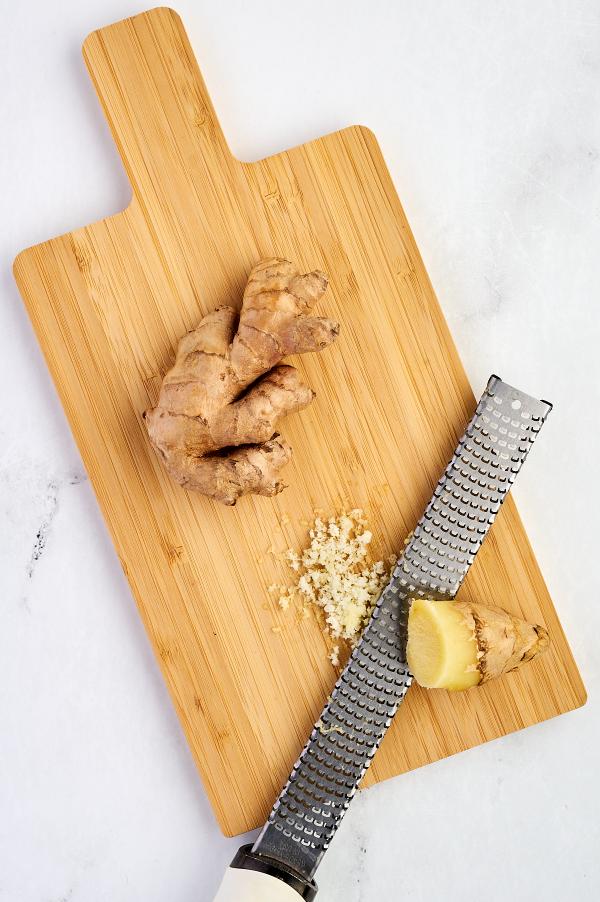
- Minced or Grated: For a soft ginger paste or an intense, quick burst of flavor, mincing or grating is your go-to. Use a microplane or a fine grater directly, which also helps to break down the fibers. A garlic grater plate can also produce a beautiful paste. Minced or grated ginger is superb for curry pastes, marinades, sauces, and anywhere you want the ginger to melt into the dish.
Each technique offers a different experience, allowing you to tailor the ginger's presence to your specific culinary vision. Experimenting with these methods will reveal new dimensions in your cooking.
Unlock 40+ Ways to Use Ginger in Your Kitchen & Beyond
Now for the exciting part: discovering the myriad ways to incorporate ginger into your life! From savory to sweet, and even for wellness, there are endless answers to the question, how to use ginger.
Culinary Delights: Savory Dishes
Ginger is a non-negotiable in many savory preparations, adding warmth, zest, and depth.
- Stir-fries: A classic pairing with garlic, chili, and soy.
- Curries & Stews: Essential in Indian, Thai, and other Asian curries; adds warmth to lentil stews or beef rendang.
- Marinades: Tenderizes and flavors chicken, pork, beef, and fish.
- Soups: Brightens up chicken noodle soup, carrot ginger soup, or warming broths.
- Roasted Vegetables: Toss with carrots, sweet potatoes, or Brussels sprouts for a zesty side.
- Dressings & Sauces: Whisk into a peanut sauce, vinaigrette, or a glaze for salmon.
- Dumplings & Spring Rolls: Enhances the filling with its distinct aroma.
- Noodle Dishes: From pad see ew to ramen, ginger is a must.
- Seafood: Steamed fish with ginger and scallions is a delicate delight.
- Meat Rubs: A component in dry rubs for grilling or roasting.
- Kimchi & Fermented Foods: Adds spice and aids fermentation.
- Chutneys & Relishes: A key ingredient in many sweet and savory condiments.
- Sautéed Greens: A quick way to liven up spinach or bok choy.
- Samosas & Savory Pastries: Infuses the potato or lentil filling.
- Rice Dishes: Add slivers to plain rice or biryani for an aromatic touch.
- Fritters: Zucchini or corn fritters get a kick with grated ginger.
- Pâtés & Spreads: Can add a subtle spice to savory spreads.
- Gravies: Enhances flavor complexity in meat gravies.
- Pickled Ginger (Gari): A refreshing palate cleanser with sushi.
Sweet Sensations & Baked Goods
Ginger's spicy warmth perfectly balances sweetness, making it a favorite in desserts.
- Gingerbread: Cookies, cakes, and loaves get their signature spice from ginger.
- Ginger Snaps: A classic crisp, spicy cookie.
- Candied Ginger: A sweet-spicy treat on its own or a garnish for desserts.
- Fruit Salads: Grated ginger brightens tropical and citrus fruit salads.
- Pies & Crumbles: Enhances apple, pear, or pumpkin fillings.
- Muffins & Scones: Adds warmth to baked goods.
- Ice Cream & Sorbets: Unique and refreshing flavor profile.
- Syrups: Ginger syrup for pancakes, waffles, or cocktails.
- Glazes: For ham, poultry, or even donuts.
- Spiced Breads: Like banana bread or zucchini bread.
- Tarts & Puddings: Adds an exotic twist.
- Caramel Sauces: A hint of ginger elevates a rich caramel.
Refreshing Beverages & Soothing Remedies
Beyond food, ginger shines in drinks and for its well-known health benefits.
- Ginger Tea: Freshly grated or sliced ginger steeped in hot water is a classic remedy for nausea, colds, and digestion.
- Smoothies: A small knob of ginger adds a healthy zing to fruit and vegetable blends.
- Juices: Incorporate into fresh pressed juices for a wellness shot or a vibrant drink.
- Cocktails & Mocktails: Essential for Moscow Mules, ginger beer, or non-alcoholic spritzers.
- Infused Water: Slices of ginger in your daily water intake for a subtle flavor.
- Hot Toddy: A comforting drink for cold weather or colds.
- Homemade Ginger Ale: A healthier, more flavorful alternative to store-bought.
- Wellness Shots: Combined with lemon and turmeric for an immunity boost.
- Digestive Aid: Chewing on a small piece after a meal can aid digestion.
- Anti-inflammatory: Regular consumption can help reduce inflammation.
- Morning Sickness & Motion Sickness: Ginger is a natural remedy.
- Muscle Pain Relief: Some apply ginger compresses or consume it for exercise-induced soreness.
Global Flavors & Beyond
Ginger's reach extends to global spice blends and even some non-culinary applications.
- Spice Blends: A component in various curry powders, garam masala, and ras el hanout.
- Aromatherapy: Ginger essential oil is used for its warming and invigorating properties (use with caution and research).
- Personal Care (DIY): Some use ginger in homemade scrubs or face masks for its stimulating effects.
- Flavoring Oils: Infuse olive or sesame oil with ginger for a unique cooking oil.
Embrace the Zesty Goodness: Your Ginger Journey Begins
From its vibrant flavor to its impressive health benefits, ginger is truly a marvel in the culinary world and beyond. With the knowledge of how to select and store the freshest roots, the techniques to prepare it like a pro, and this extensive list of over 40 ways to use ginger, you are now equipped to integrate this dynamic ingredient into every aspect of your cooking and wellness routine.
Don't be afraid to experiment! Whether it's a simple cup of ginger tea, a complex curry, or a delicate dessert, ginger promises to add an unparalleled depth and zest that will awaken your palate and invigorate your senses. So, grab a knob of ginger, and let your culinary adventures begin!
